
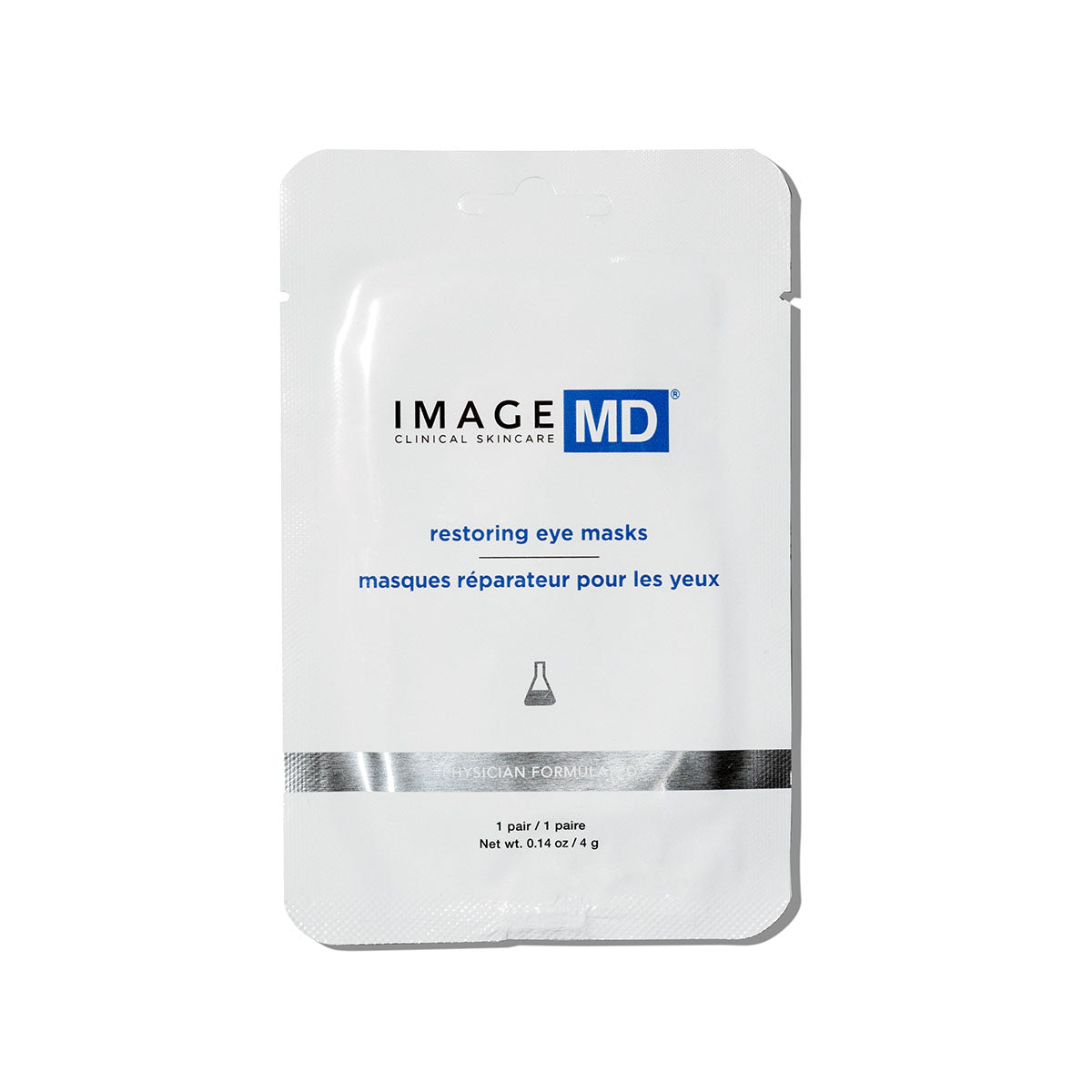


Post-procedure skin care is what protects your results after a peel, laser or microneedling. Professional treatments transform your skin, but the days after matter just as much.
The right post-procedure skin care helps your skin heal with comfort. A simple post-procedure kit takes the guesswork out of recovery.
Founded by an esthetician and a board-certified plastic surgeon, IMAGE treats recovery where science meets skincare. Here is what skin pros recommend for aftercare.
Post-Procedure Skin Care: What Happens to Skin After Treatment
Most in-office treatments create controlled, short term stress in the skin. That stress wakes up your skin's natural repair process, which is how you get brighter, smoother results.
In the first few days, your skin is more vulnerable. You may notice redness, dryness, tightness or mild sensitivity.
Your skin barrier, the outer layer that locks in moisture, can feel weaker for a while. That is why post-procedure skin care focuses on calm and hydration. Always follow your provider's instructions first.
Why Post-Procedure Skin Care Matters During Recovery
Good post-procedure skin care does three things:
It supports natural healing
Protects your treatment results
Lowers the chance of irritation
When the barrier is compromised, the wrong product can sting or set you back. The right post-procedure care keeps skin hydrated, soothed and protected so it can heal the way it should.
The Best Ingredients for Post-Procedure Skin Care
After a treatment, simpler is smarter. Skin pros recommend gentle ingredients for healing, such as...
Hydrating ingredients. Hyaluronic acid, for example, is a moisture magnet that pulls water into the skin to ease dryness and tightness.
Barrier-supporting ingredients. Squalane and prebiotics support skin barrier repair. Our BIOME+ smoothing cloud crème uses squalane and microbiome-friendly ingredients to comfort stressed skin.
Soothing ingredients. Botanical extracts and vitamin C help reduce the look of redness. The original VITAL C collection was created by co-founder Janna Ronert to soothe her own redness-prone skin.
Antioxidants. Vitamin C and astaxanthin defend skin from free radicals, the unstable molecules from sun and pollution that can slow healing.

Your Post-Laser Treatment Skin Care Routine, Step by Step
Skincare professionals recommend a post-treatment routine that is gentle and consistent. Four simple steps are usually all you need.
Step 1: Cleanse gently. Use a non-stripping, pH-balanced cleanser and a light touch. The soothing ORMEDIC® collection is a calming choice for tender, or sensitive skin.
Step 2: Replenish hydration. Follow with a lightweight, hydrating serum. The award-winning VITAL C hydrating anti-aging serum delivers vitamin C and hyaluronic acid to quench thirsty skin and help ease the healing process.
Step 3: Support skin barrier repair. Seal in moisture with a nourishing crème. This is the heart of skin barrier repair, easing tightness while skin rebuilds. The ORMEDIC balancing biopeptide creme is an excellent choice for its nourishing nut butters that replenish the moisture barrier.
Step 4: Protect recovering skin. Healing skin burns easily, and UV exposure causes dark spots. This step is non-negotiable in post-procedure skin care. Pros recommend DAILY PREVENTION advanced smartblend mineral moisturizer SPF 75 for healing skin.
Its all-mineral SPF 75 blocks UVA and UVB rays, while patent-pending XOSM Technology carries antioxidants deeper.
This makes it a strong pick for the best sunscreen after microneedling, lasers or peels. For day-and-night ease, the Cellular Age Defense Duo pairs a vitamin C serum with that same SPF 75.
Post-Procedure Skin Care: What to Avoid During Recovery
While skin heals, less is more. For the first several days, post-procedure skin care means skipping a few things.
Avoid strong exfoliants and acids. Avoid retinoids and other intensive actives.
Skip fragranced or potentially irritating products. And skip complicated, many-step routines that overwhelm a fragile barrier.
Give your skin space, then reintroduce stronger products slowly once it feels comfortable.
What to Expect During Post-Procedure Recovery
Recovery timelines depend on the treatment. Mild redness, dryness, light flaking or slight swelling can be normal in the first few days.
Signs of normal healing include gentle peeling and calming redness. Signs to watch for include increasing pain, heat, blistering, pus or worsening redness.
If you see those, or you are unsure, call your provider. You can usually ease actives back in after about a week, but follow your provider's timeline.
Supporting Your Skin With Post-Procedure Skin Care
Recovery is a process, not an overnight fix. The most powerful post-procedure skin care habit is consistency.
Cleanse gently, hydrate often, support skin barrier repair and protect with SPF every day. A calm, steady approach helps skin look healthier and protects the results you worked for.
Post-Procedure Skin Care FAQs
Q: What skincare should I use after a professional treatment?
A: Keep post-procedure skin care gentle: a mild cleanser, a hydrating serum, a barrier-supporting moisturizer and a daily mineral SPF. Avoid acids and retinoids until skin settles.
Q: When can I restart active ingredients?
A: Most people ease back into actives after about a week. Reintroduce one product at a time and follow your provider's guidance.
Q: How can I support skin barrier repair during recovery?
A: Choose hyaluronic acid and squalane, stay hydrated, and avoid harsh or fragranced products. A microbiome-friendly crème supports skin barrier repair.
Q: What is the best sunscreen after microneedling?
A: Skin pros recommend a gentle, broad-spectrum mineral SPF. An all-mineral SPF 75 made for sensitive skin is a strong choice for the best sunscreen after microneedling.
Q: What ingredients should I avoid post-treatment?
A: Skip strong exfoliating acids, retinoids, fragrance and anything that stings. When in doubt, simplify.
Your Skin's Comeback
Here is the good news: your skin is built to heal. Your job is simply to get out of its way and give it what it needs. Cleanse gently. Hydrate often. Support skin barrier repair. Protect with SPF every single day.
Do those four things consistently, and you protect the results you invested in, plus the glow that comes with them. Skip them, and you risk undoing beautiful work in a single sunny afternoon.
Treat recovery like the final, most rewarding step of your treatment, not an afterthought. Your future skin will thank you.
About the Author: Written by Christina Angelacos.
Christina is a Senior Editor at IMAGE Skincare focused on clinical skincare innovation, ingredient science, and skin longevity. Passionate about holistic wellness, she believes our healthiest skin comes from the intersection of advanced skincare and mindful living.