


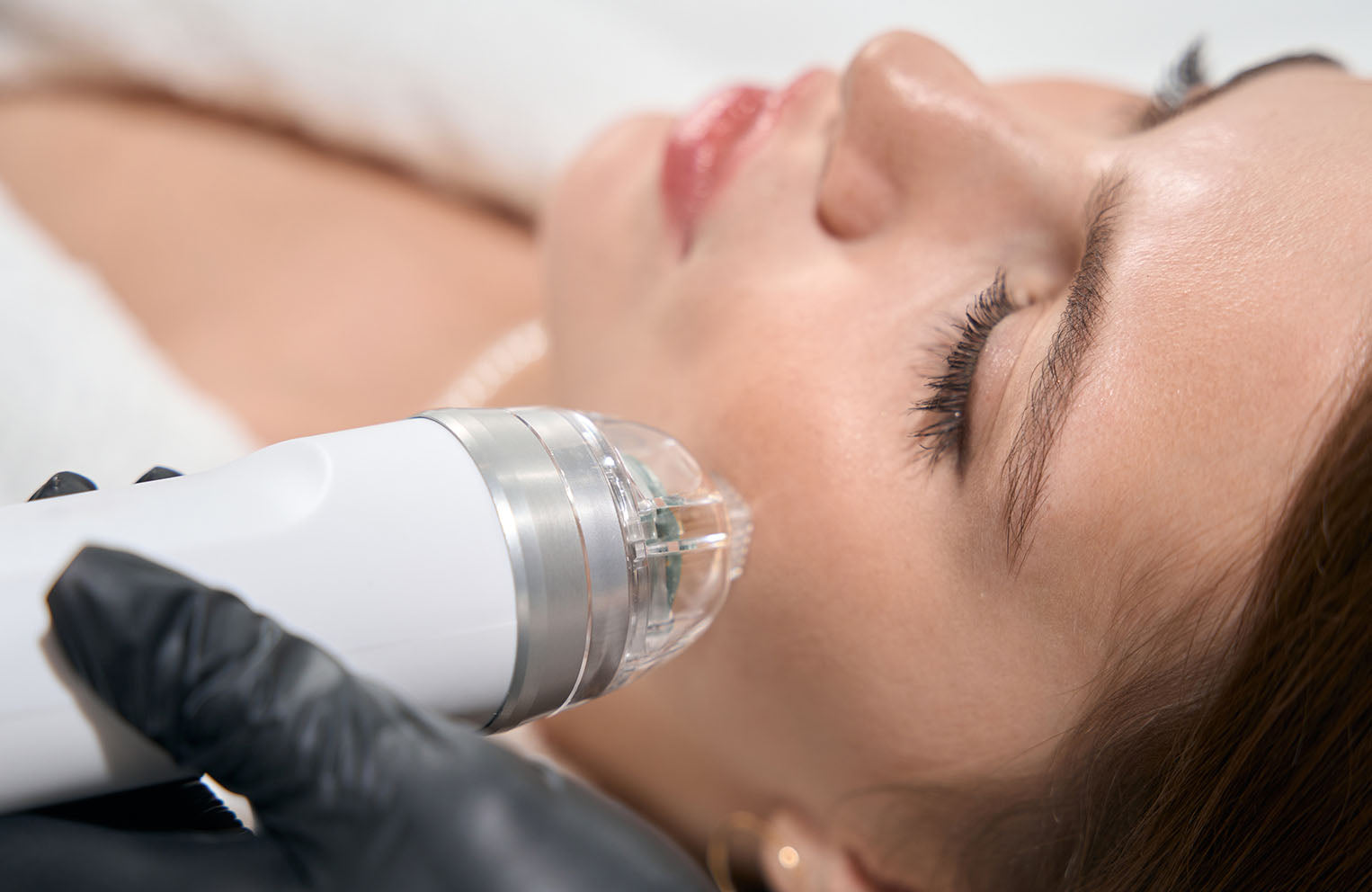
You invested in a laser treatment to get real, visible results. What happens in the days and weeks that follow determines whether those results deliver. The right post procedure skin care approach can mean the difference between smooth, optimized healing and unnecessary irritation that sets your skin back.
This guide covers what your skin needs during laser skin resurfacing recovery, what to use, what to skip, and which physician-formulated products are built to support this critical window.
What Happens to Your Skin After a Laser Treatment?
Laser treatments work by creating controlled injury to the skin's surface. Whether you had a non-ablative treatment like IPL or a more intensive resurfacing procedure, the result is the same at the cellular level: your skin barrier is temporarily disrupted, inflammation is triggered, and the healing process begins.
In the days immediately after treatment, expect redness, tightness, sensitivity, and in some cases peeling or flaking as the skin sheds damaged cells and rebuilds. This is normal. It is your skin doing exactly what it is supposed to do. The goal of your post-laser skincare routine is to support that process, not interfere with it.
Why Post-Laser Skincare Matters
Skin that has undergone laser treatment is in a vulnerable state. The barrier, which normally keeps moisture in and irritants out, is compromised. Trans epidermal water loss (TEWL), the rate at which water evaporates through the skin, increases significantly. This means skin dehydrates faster, absorbs products differently, and reacts more intensely to ingredients it would normally tolerate.
Using the wrong products during recovery can trigger prolonged redness, hyperpigmentation, breakouts, or even infection. Using the right ones accelerates healing, protects your investment, and helps you see results sooner.
How to Care for Skin After Laser Treatment: Key Principles
Three principles guide every decision during recovery. First, keep your skin hydrated and protected at all times. Second, avoid anything that could cause additional irritation or stress. Third, focus entirely on barrier repair until your skin has stabilized. This is not the time for active treatments, exfoliants, or anything new. Simplicity is the strategy.

Step-by-Step Post-Laser Skincare Routine
Step 1: Cleanse Gently
Post-treatment skin needs to be cleansed without being disturbed. That means no scrubbing, no foaming sulfate cleansers, and no hot water. Hot water increases inflammation and can worsen redness and sensitivity on skin that is already reactive.
The IMAGE MD® Gentle Cleansing Balm is a professional-grade, anhydrous oil-based balm that melts away surface residue in a silky balm-to-milk texture that rinses completely clean. It is fragrance-free, non-irritating, and built around an antioxidant blend of apple stem cell, green tea, and olive oil alongside chamomile and grapeseed oil to nourish the barrier and calm visible redness.
Once your skin has stabilized, the ORMEDIC® Balancing Facial Cleanser is an excellent next step. Formulated with certified organic aloe vera and chamomile, it gently removes impurities while soothing and maintaining optimal skin balance, making it ideal for the weeks following recovery when skin is rebuilding but still sensitive.
Step 2: Focus on Hydration and Soothing Ingredients
After cleansing, post-laser skin needs immediate hydration delivered without irritation. Look for lightweight, fragrance-free formulas that use humectants to draw moisture in and calming actives to reduce visible redness and discomfort.
Key ingredients to prioritize: hyaluronic acid, which draws and binds water into the skin; beta glucan, a soothing polysaccharide that helps calm reactive skin; colloidal oatmeal, clinically recognized for reducing inflammation and discomfort; and bisabolol, a chamomile-derived active that reduces visible redness. Avoid vitamin C acids, retinoids, AHAs, BHAs, and any formula containing fragrance or essential oils during this phase.
Step 3: Use Barrier-Repair Moisturizers
This is the most critical step during post-laser recovery, and choosing the best skincare after laser resurfacing makes the most measurable difference. A clinically formulated barrier repair product seals in hydration, reduces TEWL, and actively supports the biological processes your skin uses to heal.
The IMAGE MD Barrier Repair Recovery Balm is purpose-built for this moment. It combines ceramides and fatty acids to replenish the barrier. Plus, a soothing blend of beta glucan, colloidal oatmeal, and bisabolol to reduce visible redness. Last, a triple-action hydration complex of sea buckthorn oil, safflower oil, and shea butter to deliver deep moisture while reducing TEWL.
Formulated specifically for compromised, post-procedure skin, it is one of the three products inside the IMAGE MD Post-Treatment Essentials Kit, available through skincare professionals.
Step 4: Protect with Daily SPF
Post-laser skin is significantly more photosensitive than normal skin. UV exposure during recovery is one of the fastest ways to trigger hyperpigmentation, especially in medium to deeper skin tones. Broad-spectrum SPF is not optional during this phase.
Choose a mineral formula. Mineral sunscreens use zinc oxide and titanium dioxide to physically deflect UV rays rather than converting them to heat, which is far less likely to trigger flushing or irritation on sensitized post-treatment skin. The DAILY PREVENTION® Advanced Smartblend Mineral Moisturizer SPF 75 delivers broad-spectrum protection powered by XOSM Technology, with squalane, glycerin, and panthenol to strengthen the moisture barrier without heaviness. A travel size is included in the IMAGE MD Post-Treatment Essentials Kit.
The IMAGE MD Post-Treatment Essentials Kit
For anyone looking for the best skincare after laser resurfacing in a single clinically curated system, the IMAGE MD Post-Treatment Essentials Kit covers every critical need. It contains the IMAGE MD Gentle Cleansing Balm, the IMAGE MD Barrier Repair Recovery Balm, and DAILY PREVENTION SPF, each in a recovery-ready size. Together they deliver a gentle barrier-safe cleanse, clinically tested TEWL reduction, and broad-spectrum mineral sun protection. Formulated without parabens, phthalates, mineral oils, artificial fragrances, synthetic dyes, or animal testing, it is a clean, physician-formulated recovery system created to expedite the healing process.
The Post-Treatment Essentials Kit is available exclusively through IMAGE Skincare professionals. Find an IMAGE pro near you to add it to your post-laser recovery protocol.
Ingredients to Use and Avoid After Laser Treatment
Use: Hyaluronic acid, ceramides, beta glucan, colloidal oatmeal, bisabolol, glycerin, panthenol, shea butter, chamomile, aloe vera, and mineral SPF filters like zinc oxide and titanium dioxide.
Avoid: Retinoids, AHAs (glycolic, lactic), BHAs (salicylic acid), high-dose vitamin C acids, fragrance, essential oils, alcohol, and physical scrubs. Avoid introducing any new products until your skin has fully stabilized.
What to Avoid During the Healing Process
Beyond ingredients, there are behaviors that can compromise recovery. Do not pick or pull at peeling skin. Peeling is part of the healing process and removing it prematurely can cause scarring or pigmentation changes. Avoid heat, including hot showers, saunas, and intense exercise, for at least 48 to 72 hours post-treatment. Do not apply makeup until your provider clears you, and when you do reintroduce it, choose mineral-based formulas.
For guidance on managing recovery from other in-office treatments, the IMAGE Skincare chemical peel aftercare guide and skin tightening device comparison are both worth reviewing.
How Long Does Laser Skin Resurfacing Recovery Take?
Recovery timelines vary by treatment type. Non-ablative laser treatments typically involve 3 to 5 days of visible redness and mild sensitivity, with full barrier recovery within 1 to 2 weeks. More intensive ablative or fractional resurfacing procedures can involve 7 to 14 days of active healing and several weeks before skin fully stabilizes.
As a general rule, wait until redness, flaking, and sensitivity have fully resolved before reintroducing active ingredients like vitamin C serums, retinoids, or exfoliants. A minimum of 2 to 4 weeks is appropriate for most non-ablative treatments. Your provider's guidance always takes precedence.
When to Consult a Professional
Contact your provider if you experience symptoms beyond normal healing: increasing redness or swelling after the first 48 hours, blistering, signs of infection such as warmth or discharge, or unexpected breakouts in the treated area. Some reactions require professional intervention and catching them early prevents lasting damage.
For personalized product guidance, take the IMAGE Skin Quiz or explore the ORMEDIC Balancing Biopeptide Creme for a gentle, pH-balanced moisturizer designed for sensitive and recovering skin.
Supporting Skin Through Recovery and Beyond
The investment you made in your laser treatment deserves a recovery protocol that matches its quality. Knowing how to care for skin after laser treatment, and following through consistently with the right products, is what separates a great result from a compromised one. Gentle cleansing, targeted barrier repair, and daily SPF protection are the three pillars that protect your results and support your skin's natural healing process. With the right physician-formulated products used consistently, your skin has everything it needs to heal quickly and safely while protecting results.
About the Author: Written by Christina Angelacos
Christina is a Senior Editor at IMAGE Skincare focused on clinical skincare innovation, ingredient science, and skin longevity. Passionate about holistic wellness, she believes our healthiest skin comes from the intersection of advanced skincare and mindful living.