








Hyperpigmentation is one of the most common skincare concerns across all skin types, tones, and ages. It can appear suddenly after a breakout, develop gradually from sun exposure, or seem to surface for no obvious reason. While frustrating, hyperpigmentation is a well-understood biological process. Knowing what causes dark spots is the first step toward treating them effectively.
What Is Hyperpigmentation?
Hyperpigmentation is a skin condition in which certain areas produce excess melanin, resulting in patches or spots that appear darker than the surrounding skin. It is not a disease but a physiological response to stress, damage, or hormonal changes. It can affect any skin type or tone, and it appears in several distinct forms, each with different causes and treatment considerations.

How Skin Gets Dark Spots: The Role of Melanin
The skin contains specialized cells called melanocytes, which produce melanin, the pigment responsible for your natural skin color. When the skin senses damage or stress, it signals melanocytes to increase pigment production as a protective response. The problem arises when this process becomes uneven, concentrating melanin in localized areas rather than distributing it uniformly, resulting in visible dark spots or discoloration.
Common Types of Hyperpigmentation
Sunspots (solar lentigines) are linked to cumulative UV exposure and typically appear on the face, hands, and shoulders, deepening with age. Post-inflammatory hyperpigmentation (PIH) develops after acne, irritation, or skin injury, leaving behind a dark mark even after the original blemish clears. Melasma is a deeper, patterned form of pigmentation frequently triggered by hormonal fluctuations including pregnancy or birth control use, and is among the more challenging types to treat.
Identifying the type of hyperpigmentation you have is important because it directly guides which treatment strategy will be most effective. Explore targeted solutions for dark spots and uneven tone to find the right starting point for your skin.
What Causes Dark Spots? Internal and External Triggers
Dark spots develop at the intersection of multiple factors. External triggers include UV exposure, environmental pollution, inflammation from skincare products or injuries, and skin trauma from picking at blemishes. These are the most controllable factors. Internal triggers include hormonal fluctuations, the natural aging process, genetic predisposition, and oxidative stress at the cellular level.
The pathway follows a consistent pattern: a trigger activates melanocyte activity, which leads to melanin overproduction, which results in visible discoloration. Effective treatment works by interrupting that pathway at multiple points simultaneously.
How Professionals Approach Dark Spot Treatment
Targeted Topical Ingredients
Professional-grade topicals remain the most consistent and accessible hyperpigmentation solution for most skin types. The most effective formulas address dark spots through three mechanisms working together.
Antioxidants reduce the oxidative stress that activates excess melanin production. Vitamin C is one of the most well-researched antioxidants for this purpose, with stabilized forms shown to visibly improve pigmentation and defend against the environmental damage that causes dark spots to deepen.
Cell turnover enhancers such as retinoids and alpha hydroxy acids help shed pigmented surface cells and reveal fresher, more even skin underneath. Tone-balancing ingredients like niacinamide, kojic acid, and tranexamic acid inhibit melanin transfer and fade existing discoloration over time.
Learn more about how Vitamin C supports brighter, more even skin and which formulas work best for different skin types.
Clinically Formulated Serums That Target Pigmentation
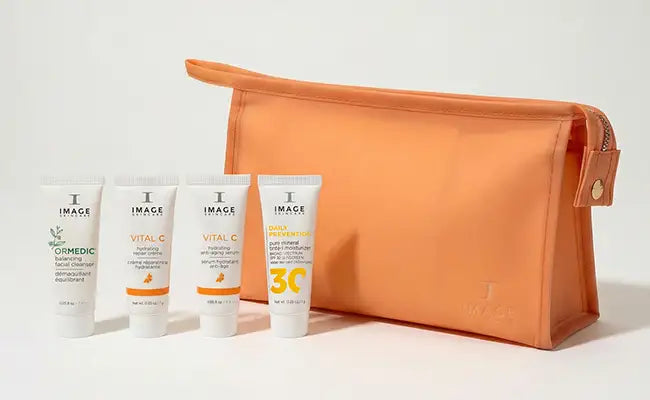
When it comes to choosing a serum for dark spots, formulation depth matters as much as the ingredient list. The award-winning VITAL C Hydrating Anti-Aging Serum uses a multi-vitamin C complex of four distinct forms of Vitamin C to brighten, tighten, and smooth the skin, and is clinically proven to improve hydration and decrease the appearance of fine lines.
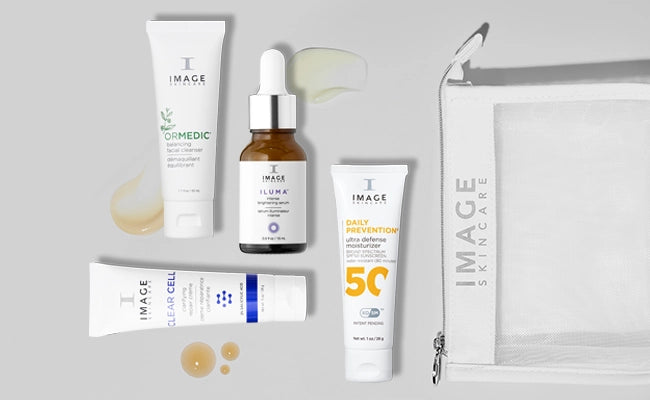
For more targeted pigmentation correction, the ILUMA intense brightening serum combines tranexamic acid, glycolic acid, and niacinamide to correct and prevent discoloration and deliver a visibly more even, luminous complexion.
At the highest performance tier, the IMAGE MD restoring power-C serum features 20% tetrahexyldecyl ascorbate with ferulic acid and acetyl zingerone, clinically shown to improve skin tone and pigmentation by 36% after 12 weeks, with 89% of participants in a consumer study agreeing their skin appeared brighter.
In-Office Treatments and Combination Strategies
For deeper or more stubborn discoloration, professional in-office treatments can accelerate results. Chemical peels remove pigmented layers and stimulate cell renewal. Laser and light therapies target melanin deposits at a deeper level.
Microneedling improves texture and enhances the penetration of topical brightening ingredients. These treatments are most effective alongside a consistent at-home routine that continues treating existing pigment while preventing new spots from forming.
Daily Habits That Influence Hyperpigmentation
Sunscreen is non-negotiable. Unprotected UV exposure is the single most common trigger for dark spots and will undermine any treatment in use. A broad-spectrum SPF every morning is the foundation of any effective dark spot routine. Avoiding harsh exfoliants that cause inflammation and resisting picking at blemishes also reduces the ongoing risk of PIH.
When to Seek a Professional
If pigmentation is persistent, widespread, or unresponsive to topical treatment, a dermatologist or licensed esthetician can assess the depth and type of your pigmentation and recommend the most appropriate plan. Self-treating without proper identification can sometimes worsen discoloration, particularly melasma, which can be aggravated by the wrong ingredients. Consult with an IMAGE esthetician for more personalized care.
Frequently Asked Questions
What is hyperpigmentation? A condition in which areas of skin produce excess melanin, resulting in darker patches or spots. It is common, non-harmful, and treatable.
What causes dark spots on skin? Overproduction of melanin triggered by UV exposure, inflammation, acne, hormonal changes, aging, or oxidative stress.
What causes hyperpigmentation to get worse? Unprotected sun exposure, picking at blemishes, harsh products, and hormonal changes can all deepen existing pigmentation or create new spots.
What is the best hyperpigmentation solution? A consistent combination of daily SPF, antioxidant protection, cell turnover support, and tone-balancing ingredients. More stubborn cases benefit from adding professional in-office treatments to the routine.
The Bottom Line on Dark Spots
Most people spend years cycling through products that address the surface without understanding the biology driving the problem. When you know what causes hyperpigmentation, the treatment decisions get clearer. The right antioxidants, the right cell turnover support, the right tone-balancing ingredients, used consistently and protected daily with SPF is what moves the needle.
Skin that looks more even, brighter, and healthier is an achievable outcome. It just requires a smarter approach. Not sure where to start? Try the IMAGE Skincare Regimen Builder to find the right brightening routine for your skin, or explore the full range of dark spot solutions to build a protocol that will have you glowing in no time.
About the Author
Written by Christina Angelacos. Christina is a Senior Editor at IMAGE Skincare focused on clinical skincare innovation, ingredient science, and skin longevity. Passionate about holistic wellness, she believes our healthiest skin comes from the intersection of advanced skincare and mindful living.

 Your Privacy Choices