


Introduction to Vitamin C Serum and Its Benefits
Vitamin C, also known as ascorbic acid, is a potent antioxidant. When applied topically as a serum, it delivers powerful skin benefits thanks to its ability to neutralize harmful free radicals caused by environmental stressors such as pollution and UV exposure. This essential vitamin is widely celebrated in the skincare world for its effectiveness promoting vibrant, healthy-looking skin.
Key Benefits for Skin Health and Appearance
Vitamin C serums are highly sought after due to their multifunctional benefits:
- Brightening: Vitamin C helps to lighten hyperpigmentation, dark spots, and uneven skin tone, leading to a more radiant complexion.
- Collagen Production: It supports natural collagen synthesis, improving skin elasticity, and firmness.
- Antioxidant Protection: Protects the skin from oxidative damage that can accelerate aging.
- Reduces Fine Lines: Regular use may soften the appearance of fine lines and wrinkles.
- Smooths Texture: Improves the overall texture and clarity of the skin.
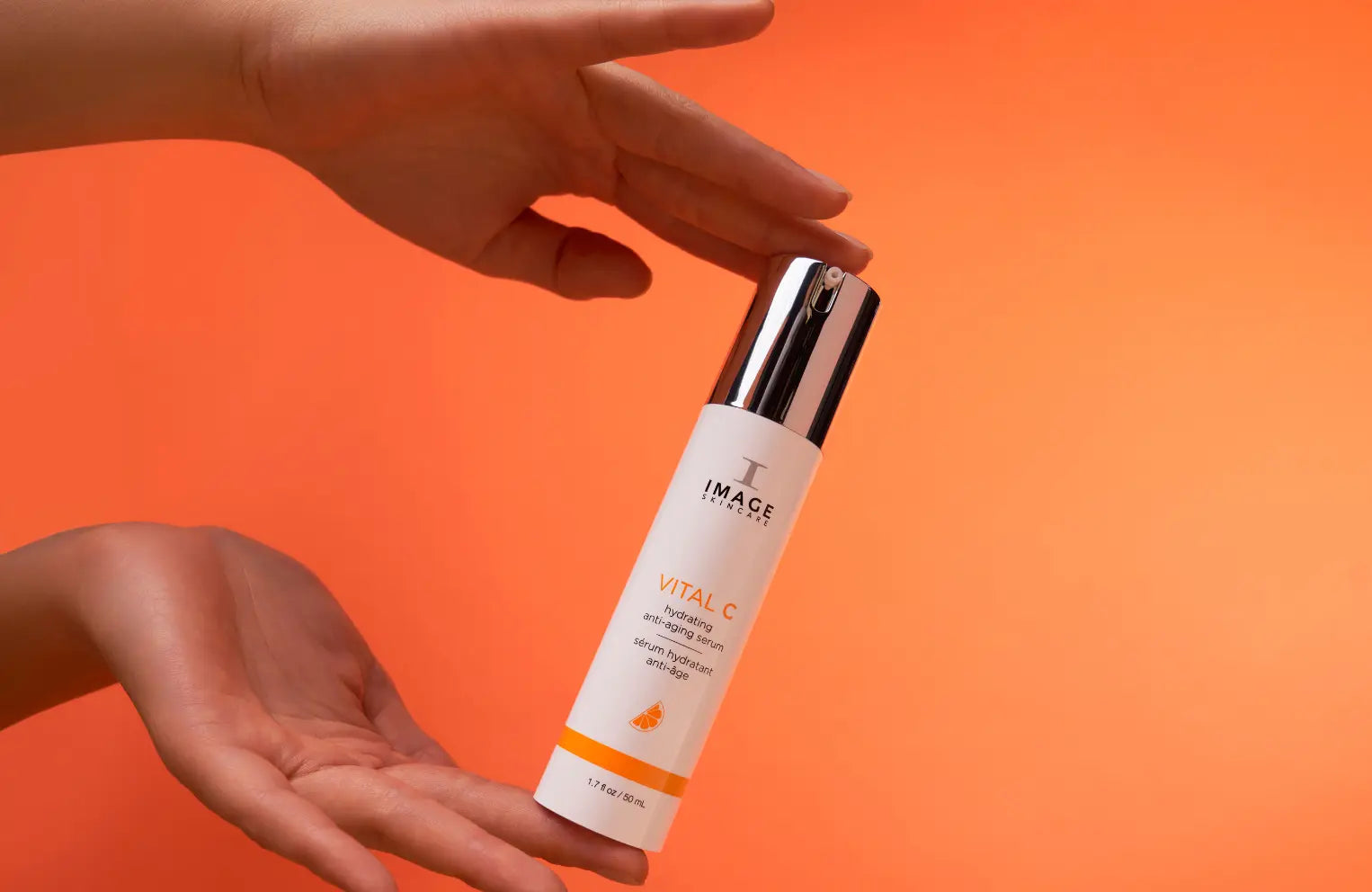
Incorporating vitamin C serum into your daily routine can unlock glowing, healthier-looking skin regardless of your skin type. The good news is, our VITAL C hydrating anti-aging serum, works for all skin types.

Vitamin C Serum Benefits for Different Skin Types
Each skin type reacts differently to topical ingredients. Here’s how vitamin C serum can help specific concerns:
- Oily Skin: Vitamin C is lightweight and non-comedogenic, helping reduce excess oil and minimize the appearance of pores while brightening acne scars.
- Dry Skin: Hydrating vitamin C serums (often combined with hyaluronic acid) can nourish and revitalize dry complexions while tackling dullness and flaky patches.
- Sensitive Skin: Lower concentrations (around 10%) of vitamin C or derivatives like magnesium ascorbyl phosphate may be better tolerated by sensitive skin, reducing the risk of irritation.
- Combination Skin: A balanced vitamin C serum helps target oily zones while providing gentle hydration to drier areas.
- Mature Skin: Vitamin C supports collagen production, which is important for firming and smoothing aging skin, and helps reduce the appearance of age spots.

Tailored Considerations and Cautions for Each Skin Type
- Oily/Acne-Prone: Opt for oil-free, water-based serums to avoid clogged pores.
- Dry: Look for formulas with added moisturizers, such as glycerin, squalane, or hyaluronic acid.
- Sensitive: Start with a gentle formulation, patch test, and avoid alcohol-heavy products.
- Combination: Choose lightweight serums that won’t weigh down oily areas yet still hydrate.
- Mature: Select serums with additional anti-aging ingredients like vitamin E and ferulic acid to enhance efficacy.
How to Apply Vitamin C Serum Correctly
- Cleanse thoroughly to remove dirt and oil.
- Tone if desired, to prep the skin and balance pH.
- Apply a few drops of vitamin C serum to your face, gently patting it in with fingertips.
- Allow 1-2 minutes for absorption before applying moisturizers or sunscreen.
Optimal Timing and Layering with Other Skincare Products
Morning Routine: Vitamin C is often best used in the morning to help protect skin from daytime free radicals. Always follow with broad-spectrum sunscreen.
Evening Routine: Can be used at night but avoid combining with some actives (see below).
Layer vitamin C after water-based products and before heavier creams or oils for maximum effectiveness.
Common Mistakes to Avoid
Using too much product (a few drops are sufficient).
Not waiting for absorption before layering other products.
Skipping sunscreen—a crucial step since vitamin C boosts sun protection but doesn’t replace SPF.
Combining with incompatible ingredients that may deactivate vitamin C or cause irritation.
Ingredients that Work with Vitamin C
- Hyaluronic Acid: Enhances hydration.
- Vitamin E & Ferulic Acid: Boosts antioxidant power.
- Niacinamide: Can be used, but some prefer to separate due to potential irritation.
- SPF: Always follow vitamin C in the morning with sunscreen for extra protection.
- Bonus? Each DAILY PREVENTION SPF moisturizer contains vitamin C, so you can enjoy double the anti-aging benefits while protecting your skin.
Ingredients to Avoid with Vitamin C
- Retinol: Using vitamin C and retinol together can cause irritation; consider using vitamin C in the morning and retinol at night.
- AHAs/BHAs: Strong acids (like glycolic or salicylic acid) may destabilize vitamin C or cause irritation; alternate use or layer carefully if tolerated.
- Benzoyl Peroxide: May oxidize vitamin C, reducing effectiveness—use at separate times of the day.
Tips for Layering in Morning and Evening Routines
AM: Cleanser → Vitamin C serum → Moisturizer → Sunscreen
PM: Cleanser → Hydrating serums/actives → Moisturizer (without vitamin C if using retinoids or AHAs)
Listen to your skin and adjust frequency as needed.
Storage and Maintenance of Vitamin C Serum
Vitamin C is sensitive to air, light, and heat, which can cause it to oxidize and lose effectiveness. To maintain maximum potency, opt for the IMAGE MD restoring power-C serum D. Packaged in an opaque glass bottle with an airtight pump, it's known for exceptional vitamin C stability.
Signs of Oxidation and When to Discard Vitamin C
If your vitamin C serum turns yellow, orange, or brown, or develops an off smell, it has likely oxidized. Using expired or oxidized vitamin C can cause irritation rather than benefits; discard if you notice these changes.
Storage Tips for Different Climates
Cool, Dry Areas: Store away from direct sunlight and heat sources.
Warm Climates: Consider refrigeration to prolong shelf life.
Always Replace Cap: Ensure the bottle is tightly sealed after each use.
Potential Side Effects and How to Use Vitamin C Serum Safely
Common Side Effects by Skin Type
- All Skin Types: Mild tingling or redness, especially during initial use.
- Sensitive Skin: Increased risk of irritation or burning.
- Oily/Acne-Prone: Rarely, breakouts if serum is too heavy or contains clogging ingredients.
Patch Testing and Gradual Introduction
Always patch test new serums on a small area. Start with every-other-day application, especially for sensitive skin, then build up as tolerated.
Recap of Benefits, Application, Storage, and Safety
Vitamin C serum can brighten, protect, and rejuvenate your skin, but results depend on finding a formulation tailored to your skin type and following proper application. Mind storage and expiration to preserve potency and always introduce new skincare products slowly.
Encouragement for Consistent and Informed Use
With regular, informed use, vitamin C serum can be a transformative step in your skincare routine. Whatever your skin type, choosing and using vitamin C serum thoughtfully can accelerate your way to a healthy, radiant complexion