

Active ingredients, intensive exfoliation, and trend-driven skincare routines have raised the bar for what modern formulas can accomplish. At the same time, too many exfoliating acids, stripping cleansers, and layered treatments can leave your complexion looking dry, flushed, tight, or visibly unsettled. Even products that once felt gentle can suddenly become difficult to tolerate.
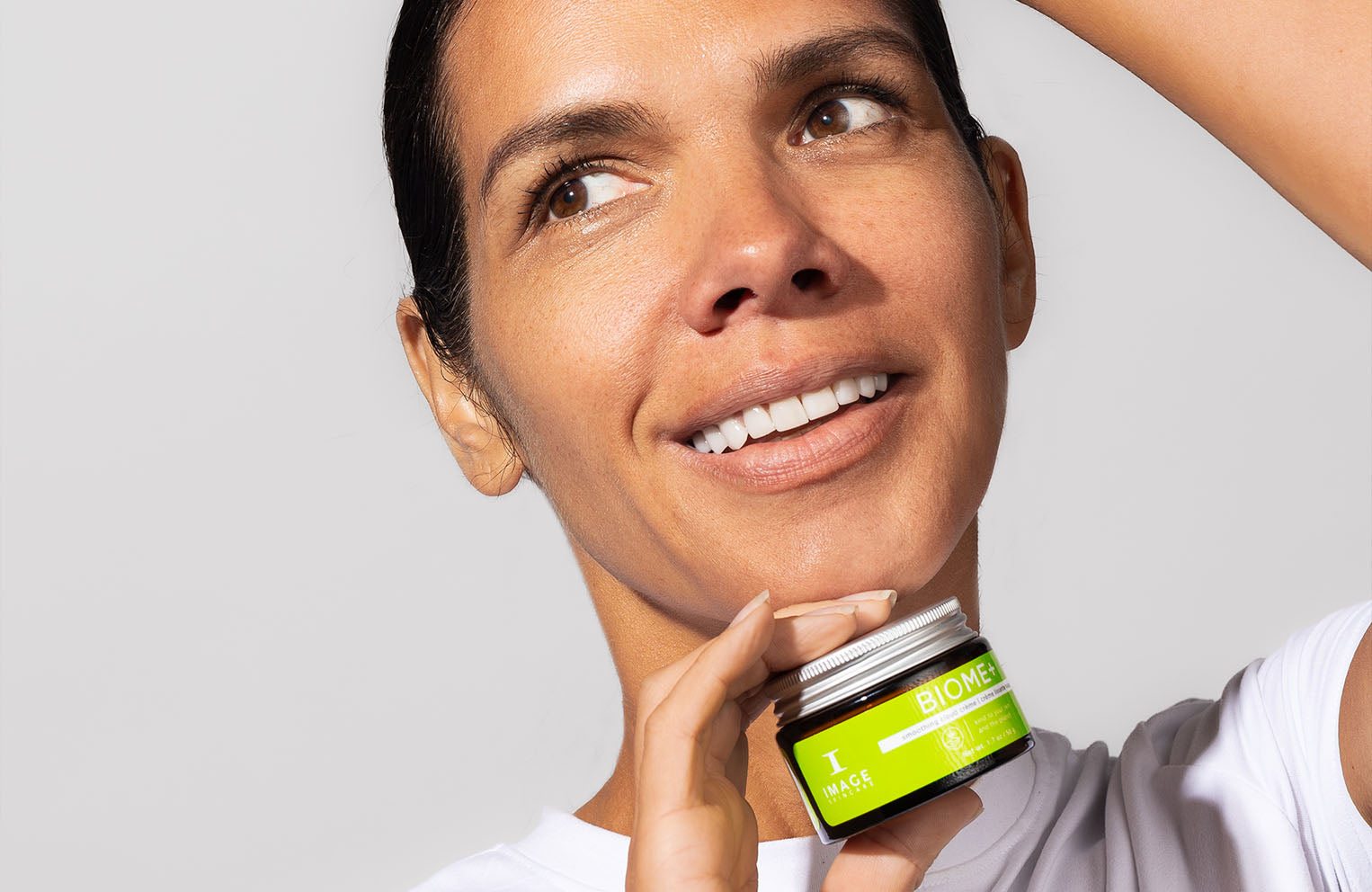
Restoring calmer, healthier-looking skin usually starts with stepping back from aggressive routines and giving your complexion room to recover. Consistent hydration, replenishing formulas, and fewer unnecessary steps can make a noticeable difference, especially when paired with microbiome-conscious products like those found in the BIOME+ skin barrier repair collection.
From the habits that gradually weaken your protective barrier to the formulas that help restore comfort and suppleness, healthier-looking skin often starts with giving your complexion the support it actually needs.
What Is the Skin Barrier?
Much of how your complexion looks and feels traces back to the condition of the skin barrier. While the epidermis refers to the skin’s outermost layer, the barrier itself is the stratum corneum, which sits at the very top and acts as the primary seal between your face and the outside world. A healthy barrier helps maintain hydration levels while limiting the effects of environmental exposure and external irritants.
Dermatologists often compare the stratum corneum to a brick-and-mortar wall. Skin cells, called corneocytes, function as the bricks, while lipids such as ceramides, cholesterol, and fatty acids hold everything together like mortar. Together, they help prevent transepidermal water loss (TEWL) and shield your complexion from external factors that can leave it looking rough, depleted, or visibly inflamed.
Your barrier also works closely with the microbiome to maintain the overall condition of your complexion. This relationship becomes especially important when the protective layer is already compromised, since disruption within the microbiome can make visible dryness and inflammation more difficult to manage.
Signs Your Skin Barrier May Be Damaged
Are You Harming Your Skin Barrier? Early warning signs can be easy to overlook at first. Excessive exfoliation, aggressive treatments, and constant product layering can gradually wear down your protective barrier without immediately making it obvious. The earliest clues usually appear through subtle changes in the way your face looks, feels, and responds to products you normally use without a second thought.
Dryness and dehydration: Moisturizer seems to disappear almost instantly, makeup starts to catch around the nose or mouth, and your face never quite feels fully hydrated, no matter how many layers you apply. Tightness after cleansing becomes much more noticeable as hydration levels drop.
Redness and sensitivity: Flushing may linger longer than usual after exfoliating, showering, or spending time outside in cold weather or heat. Acids and resurfacing treatments that once felt manageable can suddenly start stinging, especially across areas already prone to dryness.
Breakouts and congestion: Dehydration and excess oil can show up simultaneously, leaving your face shiny in some areas and rough in others. Repeated stress on your complexion can also lead to clogged pores, small bumps, and lingering blemishes.
What Causes a Damaged Skin Barrier?
Most barrier issues develop gradually rather than overnight. Daily habits, product choices, and environmental exposure can all influence how well your complexion holds up over time.
Over-exfoliation and aggressive actives: Acids, scrubs, retinoids, and resurfacing treatments can absolutely improve texture and tone, but stacking too many strong formulas together can leave your face looking raw, tight, or overstimulated. The same thing can happen when exfoliating too frequently without giving your complexion enough time to recover between treatments.
Harsh cleansing habits: Foaming cleansers that remove too much oil can gradually weaken the protective barrier, especially when paired with acne treatments or daily exfoliation. Hot water, over-cleansing, and washing multiple times a day can also leave your face feeling stripped rather than refreshed.
Environmental exposure: Cold weather, dry indoor heat, UV rays, pollution, and air travel can all dehydrate your complexion. Constant exposure can eventually leave your face looking duller, tighter, or more reactive than usual.
Overcomplicated routines: Constantly rotating products, layering multiple actives together, or trying every skincare trend at once can make it difficult for your complexion to stabilize. Instead of helping your face recover, intensive routines often keep redness and sensitivity cycling longer than necessary.
Why Skin Barrier Health Matters for Long-Term Skin Health
Healthy barrier function affects far more than temporary dryness or sensitivity. Once the protective layer becomes chronically weakened, your complexion often has a harder time responding consistently to the rest of your routine, including products designed to improve tone, texture, clarity, or visible signs of aging.
A well-supported barrier also helps your complexion retain hydration more efficiently, which can influence everything from the way makeup settles to the performance of active formulas. Exfoliating acids, retinoids, and professional treatments generally deliver better results when your complexion has enough time to recover between applications.
Skincare professionals now place far greater emphasis on recovery and replenishment alongside visible results. Instead of relying exclusively on stronger treatments or intensive resurfacing, many routines now prioritize maintaining overall skin health while addressing concerns such as texture, tone, and signs of aging.
The barrier also helps your complexion remain more resilient through seasonal changes, travel, environmental exposure, and everyday stress. When that protective seal stays intact, your complexion maintains a smoother, healthier-looking appearance more easily despite environmental stress and seasonal changes.
How to Repair Your Skin Barrier
Repairing a compromised barrier usually starts with simplifying your routine and reducing unnecessary stress on your complexion. Recovery takes patience, particularly after periods of excessive exfoliation or aggressive treatments, but gentler formulas, replenishing hydration, and supportive skincare can help restore a healthier, stronger-looking appearance.
Simplify Your Skincare Routine
When your barrier is already compromised, a complicated routine can make recovery more difficult. Scaling back exfoliating acids, retinoids, scrubs, and intensive treatments gives your complexion more room to recover without repeated disruption.
A streamlined lineup generally delivers better results. Gentle cleansing, daily SPF, and replenishing hydration can support recovery without overwhelming your face with too many actives at once.
Focus on Hydration and Moisture
Dehydrated skin can become tighter, rougher, and less supple, which makes replenishment especially important during recovery. Lightweight serums, nourishing creams, and moisture-sealing formulas can all improve comfort while softening the look of dry, fatigued areas.
Layering water-binding skincare also tends to work better than relying on one heavy cream. Humectants draw water into your complexion, while emollients and occlusive ingredients help reinforce the surface layer so moisture escapes less easily.
Use Gentle, Non-Stripping Cleansers
Cleansing should leave your face feeling refreshed, not tight or overly dry. Stripping formulas can remove oils your complexion still needs, especially when paired with frequent exfoliation or acne treatments.
Cream-based cleansers and microbiome-conscious washes generally feel more supportive during recovery because they remove buildup without leaving your face feeling stripped afterward. Temperature matters too. Excessively hot water can intensify dryness and redness, particularly when your complexion is already feeling sensitized.
Incorporate Barrier-Supporting Ingredients
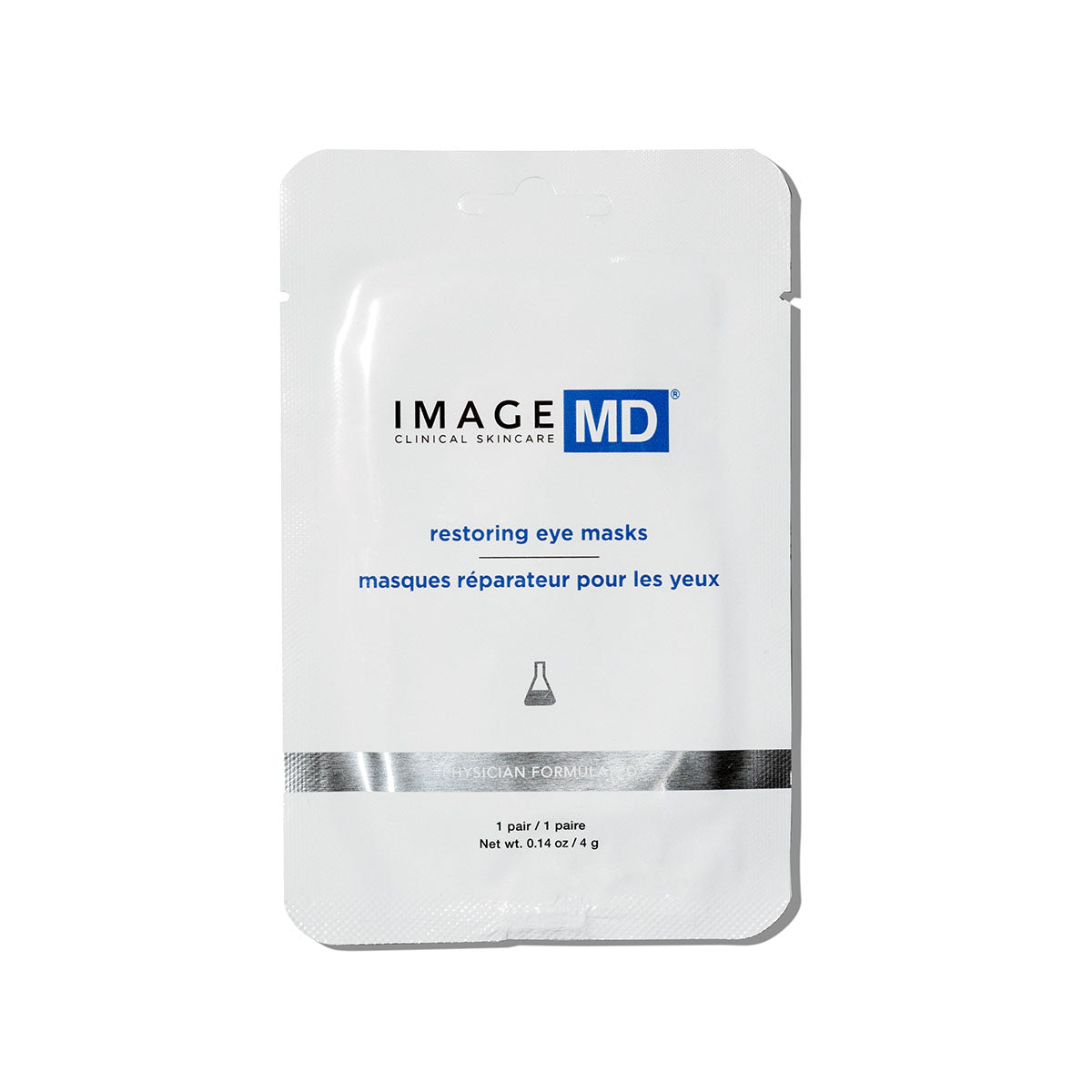
The right formulas can help reinforce the barrier while improving the overall condition of your complexion. Within the IMAGE MD® collection, professionally developed products pair advanced actives with hydration-focused support designed to maintain healthier-looking skin without overwhelming the protective barrier.
Ceramides and lipids: Ceramides, cholesterol, and fatty acids help replenish some of the lipids naturally found within the stratum corneum. These components help reinforce the protective seal while improving softness and flexibility.
Hyaluronic acid and humectants: Humectants such as hyaluronic acid attract water to the skin, helping relieve dehydration while improving overall suppleness. Consistent use can leave your complexion looking smoother, fresher, and more replenished.
Soothing formulas: Products containing antioxidant-rich botanicals, thermal water, or microbiome-conscious blends can help calm flushed, stressed-looking skin while improving overall comfort.
How to Protect and Maintain Your Skin Barrier
Maintaining a healthy barrier usually comes down to consistency, restraint, and paying attention to how your complexion responds throughout the year. A simpler routine places less stress on your face overall, especially when hydration, daily SPF, and replenishing skincare remain part of your regimen instead of cycling in and out.
Strong actives also tend to work better when introduced gradually rather than layered all at once. Spacing out exfoliating acids, retinoids, and intensive treatments can help reduce visible redness and dryness while giving your complexion more time to recover between applications.
Environmental exposure matters too. Cold weather, dry indoor heat, travel, UV rays, and seasonal changes can all affect how your complexion looks and feels from one month to another. Adjusting your routine as conditions change can help maintain a healthier-looking, more resilient appearance year-round.
To help identify products suited to your complexion’s needs, our skin quiz offers personalized recommendations designed to support healthier-looking skin with greater consistency.
Rebalance your skin with gentle, restorative skincare.
Published July 1, 2026
How to Repair Your Skin Barrier to Support Long-Term Skin Health
by Antonella Uribe